Best Foods for Spots: What to Eat for Clearer-Looking Skin
If you feel like your skin gets blamed on “bad luck,” you are not alone. Spots can be frustrating, and food can seem confusing. One person says cut dairy. Another says avoid sugar forever. The truth is less extreme. The best food for spots is not one magical item. It is a steady way of eating that supports your skin, your hormones, and your overall health.
Table of Contents
Why food can matter when you have spots
The link between diet, oil production, and inflammation
Your skin responds to what is happening inside your body. When certain foods cause quick spikes in blood sugar, your body may release more insulin and related hormones. In some people, that can increase oil production and make clogged pores more likely. Food can also affect inflammation, which plays a role in red, angry breakouts.
That does not mean every pimple comes from your plate. But it does mean that food may affect how often you break out, how inflamed your spots look, and how quickly your skin settles down.
Why food is only one part of the picture
Diet matters, but it is only one part of the story. Genetics, stress, hormones, skin products, sweat, sleep, and certain medications can all affect breakouts too. You can eat well and still get spots. You can also improve your food choices and still need a good skincare routine.
What “clearer-looking skin” really means
Clearer-looking skin does not always mean perfect skin. It usually means fewer new breakouts, less redness, less oiliness, and skin that looks calmer over time. That is a more realistic goal, and it helps you focus on progress instead of perfection.
What is the best food for spots?
The truth: no single food clears skin on its own
There is no single best food for spots that works overnight. No fruit, seed, tea, or supplement can guarantee clear skin by itself. When you see claims like that, be careful.
Why a whole eating pattern works better than a “miracle” food
Your skin tends to respond better to a pattern than to one superfood. A diet built around whole grains, beans, vegetables, fruit, healthy fats, and enough protein may help create a more stable environment for your skin. This kind of eating can support blood sugar balance and help lower the chance of repeated flare-ups.
What to focus on instead of quick fixes
Focus on habits you can keep doing:
- Eat balanced meals instead of skipping meals and snacking on sweets later
- Choose high-fiber carbs more often than ultra-processed carbs
- Include protein and healthy fat with meals
- Pay attention to personal triggers without getting overly restrictive
- Give changes time before judging results
Foods that help spots
Low glycemic foods that may support steadier skin
Low glycemic foods raise blood sugar more slowly. That may help some people with acne-prone skin. Good examples include:
- Oats
- Beans and lentils
- Sweet potatoes
- Brown rice or quinoa
- Plain Greek-style yogurt alternatives with low added sugar
- Most vegetables
- Whole fruit
These foods do not “treat” acne on their own, but they may be part of a skin-friendly eating pattern.
High-fiber foods for blood sugar balance
Fiber helps slow digestion and may reduce sharp blood sugar swings. That matters if you are trying to find foods that help spots. Useful high-fiber choices include:
- Chickpeas
- Black beans
- Chia seeds
- Pears
- Apples
- Broccoli
- Whole grain bread with minimal added sugar
Colorful fruits and vegetables for skin-supporting nutrients
Colorful produce gives you vitamins, minerals, and plant compounds that support overall skin health. Try adding:
- Berries
- Oranges
- Leafy greens
- Carrots
- Bell peppers
- Tomatoes
These foods support the skin barrier and overall health, which can help your skin look healthier even if they do not directly “cure” breakouts.
Omega-3-rich foods that may help calm inflammation
Omega-3 fats may help support a calmer inflammatory response. Good food sources include:
- Salmon
- Sardines
- Trout
- Walnuts
- Chia seeds
- Flaxseeds
If your diet is heavy in fried foods and light in these foods, shifting the balance may help your skin and your general health.
Zinc-rich foods and why they matter for skin
Zinc plays a role in skin repair and immune function. Foods with zinc include:
- Pumpkin seeds
- Beans
- Beef
- Turkey
- Shellfish
- Cashews
It is better to get zinc from food first unless a healthcare professional tells you otherwise.
Probiotic and fermented foods: can gut health affect spots?
The gut-skin connection gets a lot of attention, and while it is not a magic fix, some people do feel better when they eat foods that support gut health. Fermented foods may include:
- Kefir alternatives
- Yogurt with live cultures
- Kimchi
- Sauerkraut
- Miso
If dairy seems to bother your skin, you can still choose non-dairy fermented foods.
Water-rich foods that support overall skin health
Hydration alone will not erase spots, but staying hydrated supports your skin barrier and overall health. Water-rich foods include cucumbers, watermelon, strawberries, lettuce, celery, and oranges.
Best food groups to build into your meals
Breakfast ideas for acne-prone skin
Breakfast can set the tone for the day. Better options include:
- Oatmeal with berries, chia seeds, and a spoon of nut butter
- Eggs with whole grain toast and avocado
- A smoothie with unsweetened soy milk, spinach, frozen berries, and flaxseed
- Plain yogurt or a dairy-free yogurt with nuts and fruit
Lunch and dinner options that support clearer-looking skin
Try meals built around a balanced plate:
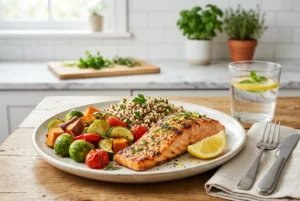
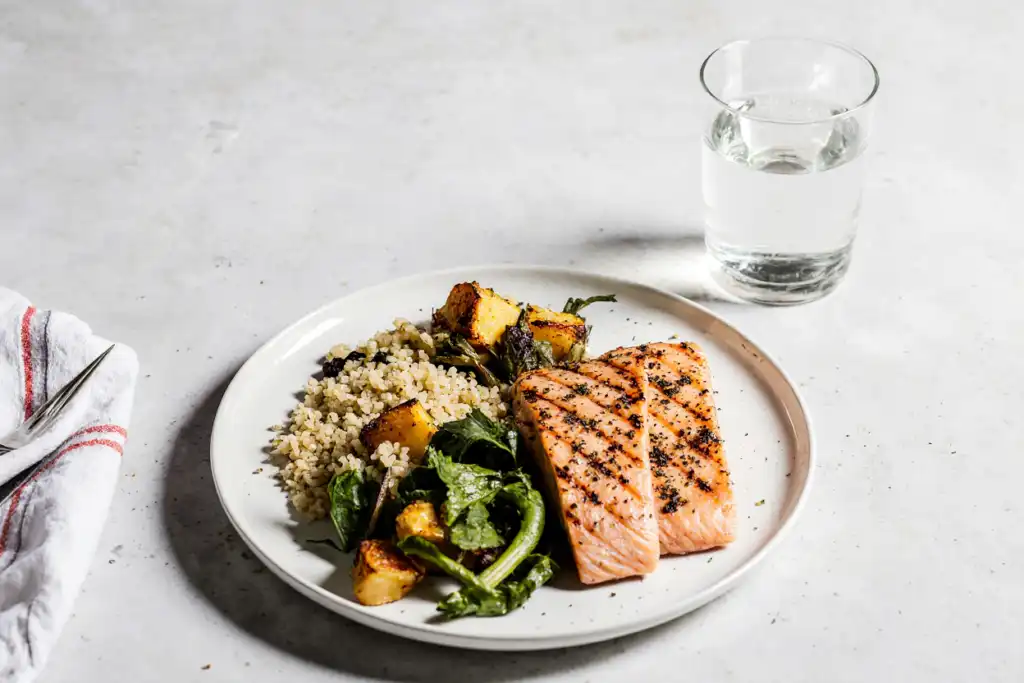
- Grilled salmon, quinoa, and roasted vegetables
- Turkey chili with beans
- Brown rice bowl with chicken, black beans, salsa, and lettuce
- Lentil soup with a side salad
- Stir-fry with tofu, broccoli, peppers, and brown rice
Snacks that are less likely to trigger breakouts
Smart snacks can help you avoid the cycle of getting overly hungry and reaching for high-sugar foods. Good choices include:
- Apple slices with peanut butter
- Hummus with carrots
- Roasted chickpeas
- A handful of walnuts
- Cottage cheese or a non-dairy option with berries
- Hard-boiled eggs
Simple swaps to make your current meals more skin-friendly
You do not need a full diet makeover. Start with simple swaps:
- Sugary cereal to oatmeal
- White bread to whole grain bread
- Soda to sparkling water or unsweetened iced tea
- Chips to nuts or roasted chickpeas
- Ice cream every night to fruit with yogurt or a lower-sugar option
Foods that make you break out
High glycemic foods and fast-digesting carbs
For some people, foods that digest quickly may increase the chance of breakouts. These include:
- Sugary cereals
- White bread
- Pastries
- Candy
- Many packaged desserts
These are some of the most common foods that make you break out, especially if they show up in your diet often.
Sugary drinks, sweets, and processed snack foods
It is not just sugar in desserts. Sweet coffee drinks, energy drinks, sodas, and snack bars can all add a lot of added sugar. These foods may crowd out better options and can lead to the same blood sugar ups and downs that some breakout-prone people notice.
Greasy fast food: what it may do indirectly
People often assume greasy food directly causes acne. It is not that simple. Fast food meals are often high in refined carbs, low in fiber, and low in helpful nutrients. It may be the overall pattern, not just the grease, that makes skin harder to manage.
Whey protein and workout supplements
Some people notice more breakouts when they use whey protein. If your skin changed after starting a protein powder, it may be worth pausing it for a few weeks and watching what happens.
Why triggers can vary from person to person
Not everyone reacts the same way. One person may break out after sweet drinks. Another may notice trouble with skim milk. Someone else may not see any food link at all. That is why tracking patterns matters more than following internet myths.
Does sugar make you break out?
How sugar may affect insulin and inflammation
A common question is, does sugar make you break out? It can in some people, especially when your diet is heavy in added sugars and refined carbs. Sugar may affect insulin levels and inflammatory pathways, which can influence oil production and clogged pores.
The difference between whole fruit and added sugar
Whole fruit is different from candy or soda. Fruit comes with fiber, water, and nutrients. Most people do not need to fear fruit for their skin. The bigger issue is usually added sugar, not a bowl of berries or an apple with lunch.
How much sugar is too much for breakout-prone skin?
There is no exact number that predicts breakouts for everyone. A helpful approach is to cut back on obvious sources of added sugar first:
- Soda
- Sweet coffee drinks
- Candy
- Packaged pastries
- Sugary sauces
- Dessert as a daily habit
If you reduce those foods and your skin seems calmer after several weeks, that gives you useful information.
Could dairy cause acne?
Could dairy cause acne in some people?
Another common question is, could dairy cause acne? In some people, yes, it may play a role. Dairy does not cause acne for everyone, but some people notice more breakouts when they drink a lot of milk or use certain dairy-heavy products.
Can dairy cause spots even if you are not lactose intolerant?
Yes. Can dairy cause spots even if digestion is fine? Possibly. This is not always about lactose intolerance. The concern is more about how certain dairy foods may affect hormones or growth-related signals in the body in some people.
Which dairy foods seem more likely to be a problem
Not all dairy seems equal. Some people notice more trouble with:
- Skim milk
- Large amounts of milk
- Whey protein shakes
- Sweetened dairy drinks
Other people tolerate yogurt or cheese better than milk. That is why it helps to look at your own pattern instead of assuming all dairy is bad.
How to test whether dairy affects your skin without overreacting
If you suspect dairy, try a calm test:
- Remove the dairy food you suspect for 3 to 4 weeks
- Keep the rest of your routine as steady as possible
- Track new breakouts, not just old marks
- Reintroduce it and watch for a pattern
Do not cut out major food groups forever based on one bad skin week.
What to eat instead if you think dairy or sugar is a trigger
Smarter swaps for milk, ice cream, and sweet snacks
Try swaps that still feel satisfying:
- Milk to unsweetened soy milk or pea milk
- Ice cream to plain yogurt with fruit or a lower-sugar frozen option
- Milk chocolate to dark chocolate in small amounts
- Sugary granola bar to nuts and fruit
- Sweetened cereal to oats with cinnamon
Balanced meal ideas that still feel satisfying
A skin-friendly diet should not feel punishing. Good options include:
- Overnight oats with chia, cinnamon, and berries
- Turkey wrap with hummus and vegetables
- Tofu bowl with brown rice and avocado
- Chili with beans and a side of fruit
- Baked potato topped with black beans and salsa
How to avoid making your diet too strict
Strict diets often backfire. They can increase stress, make eating feel harder, and lead to overeating later. Instead of banning everything, ask:
- What happens if I eat this often?
- Does my skin react after this food repeatedly?
- Is there a more balanced version I enjoy?
A simple 7-day skin-friendly eating approach
What a balanced plate looks like
Use this simple plate:
- Half vegetables or fruit
- One quarter protein
- One quarter high-fiber carbs
- A source of healthy fat
That is a helpful structure if you are trying to find the best food for spots without obsessing over every bite.
Sample daily meal pattern for clearer-looking skin
Here is a simple 7-day approach you can repeat and mix:
| Day | Breakfast | Lunch | Dinner | Snack |
|---|---|---|---|---|
| 1 | Oatmeal, berries, chia | Chicken salad wrap | Salmon, quinoa, broccoli | Apple and peanut butter |
| 2 | Eggs and whole grain toast | Lentil soup | Turkey chili | Walnuts and orange |
| 3 | Smoothie with soy milk and berries | Brown rice bowl with beans | Tofu stir-fry | Carrots and hummus |
| 4 | Yogurt or non-dairy yogurt with fruit | Tuna salad and crackers | Chicken, sweet potato, green beans | Roasted chickpeas |
| 5 | Overnight oats | Leftover chili | Shrimp with rice and vegetables | Pear and cashews |
| 6 | Avocado toast with egg | Hummus veggie wrap | Baked salmon and salad | Berries and seeds |
| 7 | Oats with flax and banana | Turkey bowl with brown rice | Lentil pasta with vegetables | Hard-boiled eggs |
How long you may need to stay consistent before judging results
Skin changes slowly. Give your routine about 6 to 8 weeks before deciding whether a food change is helping. Looking at your skin every morning can make it harder to spot real trends.
Skincare still matters: food alone is usually not enough
How diet and skincare work together
Food may support calmer skin, but skincare still matters. If your pores stay clogged or your skin barrier is irritated, diet alone will probably not solve it.
Ingredients that may help alongside a skin-friendly diet
Depending on your skin, helpful ingredients may include:
- Salicylic acid for clogged pores
- Benzoyl peroxide for inflammatory breakouts
- Adapalene for acne-prone skin
- Niacinamide for oil control and redness
- A gentle, non-stripping cleanser
- A non-comedogenic moisturizer
- Daily sunscreen
If you want to build the rest of your routine, read our guide to daily skincare routine for acne-prone skin. You may also find it helpful to explore best ingredients for clogged pores and how to choose a gentle facial cleanser.
Common mistakes to avoid
Cutting out too many foods too fast
Removing dairy, gluten, sugar, soy, and eggs all at once makes it hard to know what matters. It also makes meals stressful.
Expecting overnight changes
Your skin usually will not look different in three days. Lasting changes take time.
Blaming one food without tracking patterns
A breakout after pizza does not automatically mean cheese caused it. It could have been stress, hormones, lack of sleep, or the overall meal pattern.
Replacing meals with supplements
Supplements are not a shortcut. Most people do better by improving daily meals first.
Ignoring sleep, stress, and skin products
Food is important, but sleep, stress, sweat, makeup, hair products, and over-washing can all make spots worse too.
When home care may not be enough
Signs your spots may need professional evaluation
Home care may not be enough if:
- Your breakouts are painful or deep
- You are getting cyst-like bumps
- Spots leave dark marks or scars
- Over-the-counter products are not helping after a few months
- Your acne is affecting your mood or confidence in a major way
When breakouts are painful, deep, or leaving marks
Painful, deep acne can be harder to control with food and basic skincare alone. The sooner you get help, the better your chance of preventing lasting marks.
Why a dermatologist or primary care professional may help
A dermatologist or primary care professional can help you figure out whether your breakouts are linked to hormones, skincare products, or another skin condition. They can also recommend treatments that are stronger and more targeted than home care.
The bottom line on the best food for spots
The most helpful habits to start with
If you are trying to find the best food for spots, start here:
- Build balanced meals
- Choose more low glycemic, high-fiber foods
- Cut back on added sugar and ultra-processed snacks
- Watch whether dairy or whey seems to trigger your skin
- Stay consistent for several weeks
A realistic, sustainable way to eat for clearer-looking skin
The best plan is one you can actually live with. You do not need a perfect diet. You need a steady one. When you eat in a way that supports blood sugar balance, reduces extreme highs and lows, and includes more whole foods, your skin may have a better chance to look calmer over time.
Gentle encouragement to take the next step
Pick one or two changes this week and keep them simple. That could mean swapping sugary cereal for oatmeal, replacing soda with sparkling water, or testing dairy more carefully. Small steps are easier to stick with, and that is what usually leads to clearer-looking skin in the long run.
FAQ
What is the best food for spots if I want to start with one change?
A good first step is to eat more balanced meals with high-fiber carbs, protein, and healthy fats. If you want one simple change, many people do well by cutting back on sugary drinks and ultra-processed snacks first.
How long does it take for food changes to help spots?
Most people need at least 6 to 8 weeks of steady habits before they can judge whether food changes are helping. Skin takes time to respond, so quick conclusions are usually not helpful.
Could dairy cause acne in adults too?
Yes, could dairy cause acne in adults? It may for some people. Adults can notice breakouts linked to milk or whey protein just like teens can, but it does not happen to everyone.
Does sugar make you break out more than dairy?
It depends on your skin. For some people, does sugar make you break out is the more important question. For others, dairy seems to be a bigger trigger. The best way to know is to track your own patterns instead of guessing.
When should I see a dermatologist instead of changing my diet on my own?
See a dermatologist if your acne is painful, deep, leaving scars or dark marks, or not improving with home care after a few months. Food changes can help support skin health, but they are not always enough on their own.